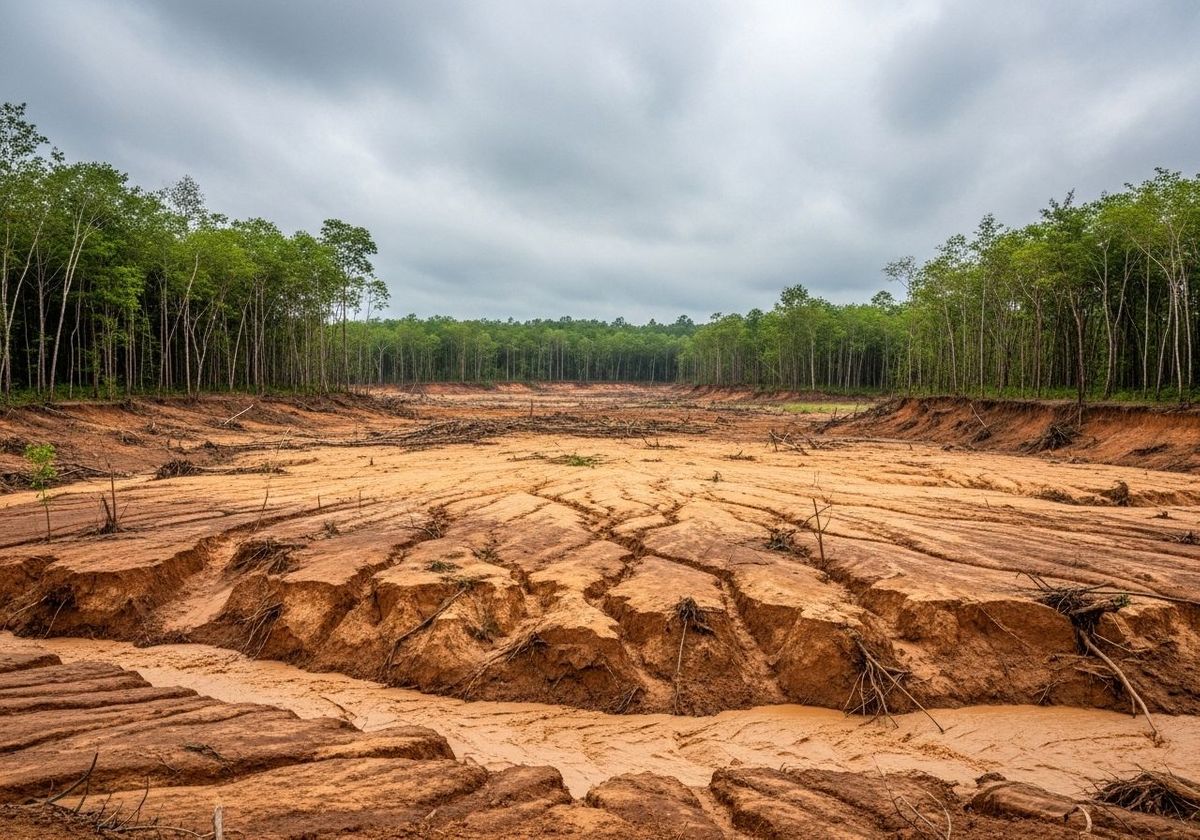
Land clearing is a process that involves removing trees, vegetation, and other obstacles from a given area of land. While it is often necessary for development, agriculture, and other purposes, it can have significant environmental impacts if not managed responsibly.
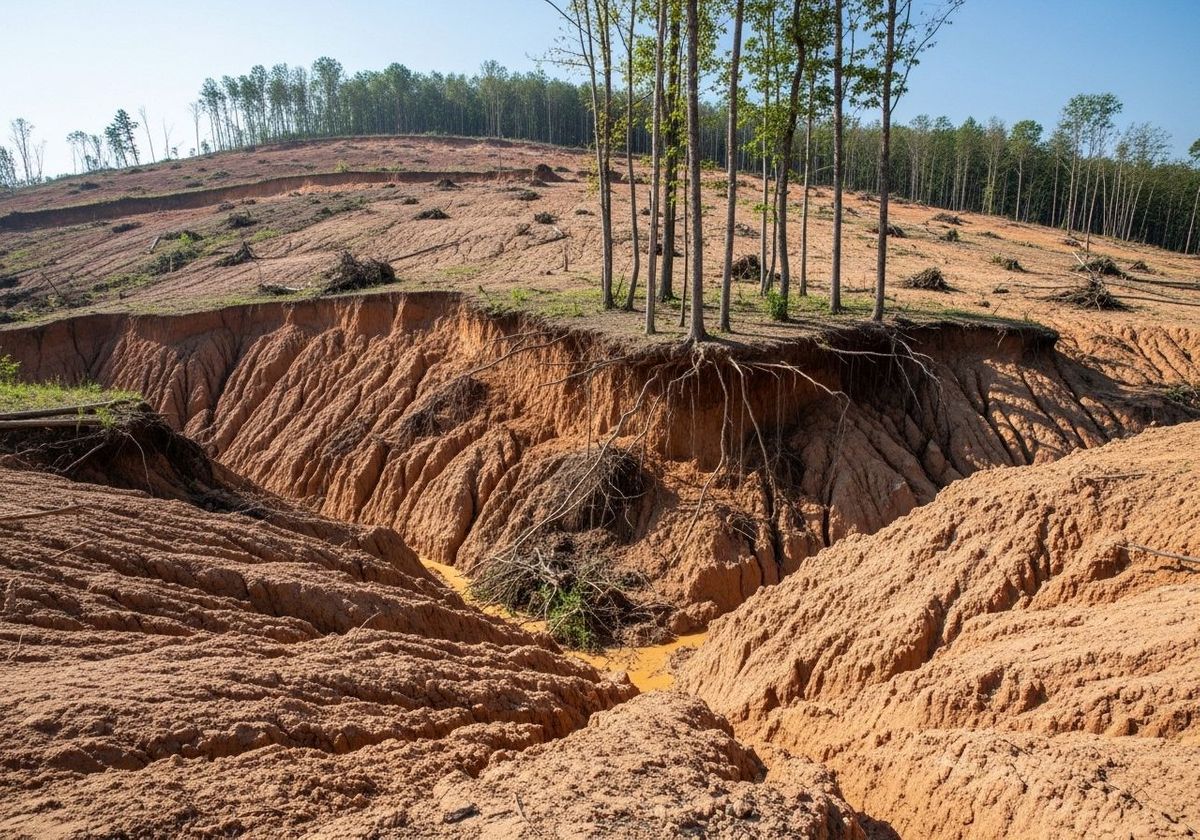
Soil Erosion and Degradation
One of the most immediate impacts of land clearing is soil erosion. Trees and vegetation help to hold soil in place, preventing it from being washed away by rain or wind. When these plants are removed, the exposed soil is vulnerable to erosion, which can lead to the loss of fertile topsoil, reduced soil quality, and sedimentation of waterways. This is why GGC's Hickory Tree & Landscaping Design meticulously follows stringently established guidelines to avoid soil erosion on every construction site clearing project.
Water Quality Impairment
Land clearing can also negatively impact water quality. The removal of vegetation can increase runoff, carrying pollutants such as fertilizers, pesticides, and sediment into nearby streams, rivers, and lakes. These pollutants can contaminate drinking water sources, harm aquatic life, and contribute to the eutrophication of water bodies.
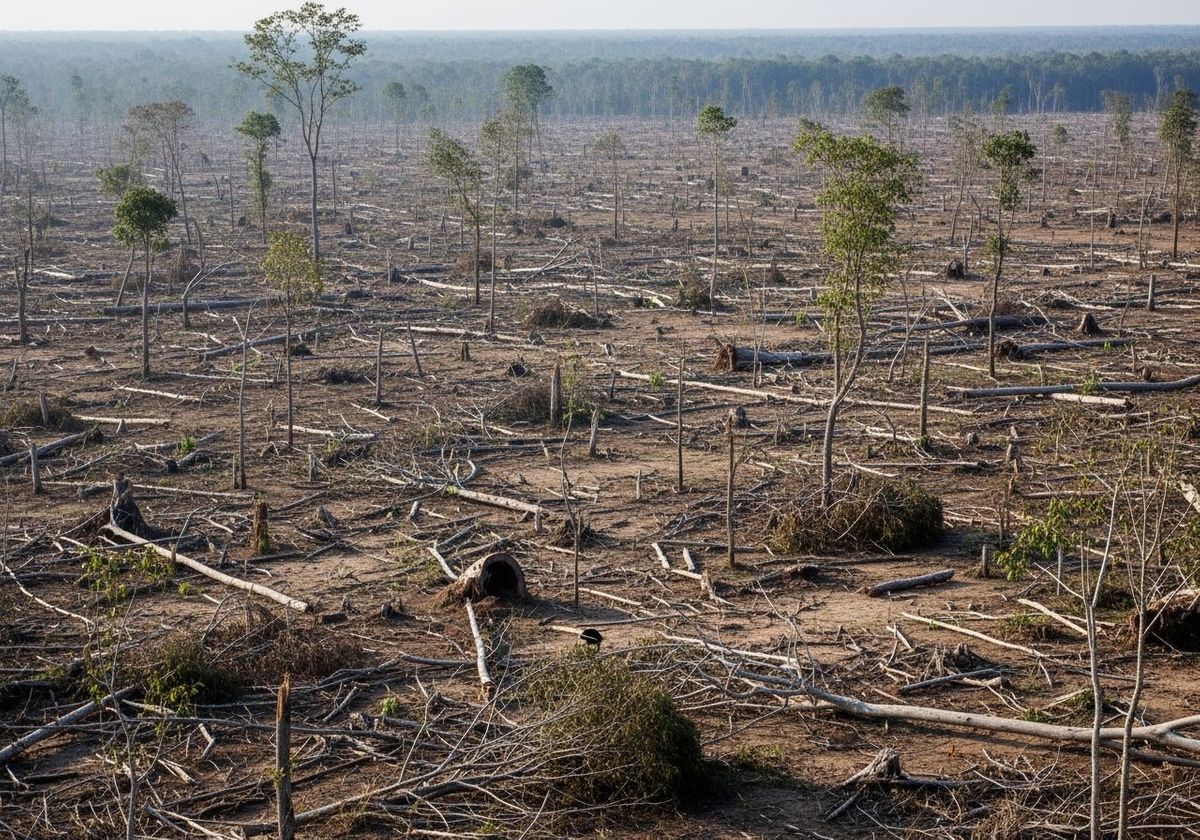
Loss of Biodiversity
Forests and other natural habitats are home to a wide variety of plant and animal species. When land is cleared, these habitats are destroyed, leading to habitat loss and fragmentation. This can disrupt ecological processes, reduce biodiversity, and threaten the survival of many species.
Carbon Emissions and Climate Change
Trees play a vital role in absorbing carbon dioxide from the atmosphere. When forests are cleared, the stored carbon is released back into the atmosphere, contributing to climate change. Deforestation is a significant source of greenhouse gas emissions worldwide. Land clearing that involves burning vegetation releases even more carbon into the atmosphere, exacerbating the problem.
Disruption of Natural Processes
Land clearing can disrupt natural processes such as nutrient cycling, water infiltration, and pollination. These processes are essential for maintaining healthy ecosystems. When they are disrupted, it can have cascading effects on the environment.
Responsible land clearing practices are essential for minimizing these environmental impacts. These practices may include:
Selective Clearing: Removing only the trees and vegetation that are necessary for the project.
Erosion Control Measures: Implementing measures to prevent soil erosion, such as terracing, mulching, and the installation of sediment barriers.
Riparian Buffers: Preserving strips of vegetation along waterways to filter pollutants and protect water quality.
Reforestation: Planting new trees to replace those that were removed.
Proper Waste Disposal: Disposing of cleared vegetation and other debris in an environmentally responsible manner, which includes proper stump removal services.
Land clearing can have far-reaching environmental consequences, from soil erosion and water pollution to habitat loss and climate change. By understanding these impacts and adopting responsible land clearing practices, we can minimize the negative effects on the environment and ensure a more sustainable future. GGC's Hickory Tree & Landscaping Design, serving Rock Hill, NY, and surrounding communities since 2019, is dedicated to upholding safety as the cornerstone of our operations while delivering impressive outcomes with skilled assistance. Contact us today for an all-inclusive assessment for your ny land clearing and planting service needs!